
Kainova Therapeutics
About Us
Our growing portfolio of assets
| Asset | Disc Discovery | Pre-IND Pre-IND | Ph1 Phase 1 | Ph2 Phase 2 |
|---|---|---|---|---|
|
DT-9081 EP4 Receptor Antagonist Solid Tumors |
|
|||
|
DT-7012 Anti-CCR8 Depleting Antibody Solid Tumors |
|
|||
|
DT-9046 PAR2 Biased Antagonist Inflammation |
|
|||
|
Undisclosed GPCR Targets |
|
|||
DT-9081 EP4 Receptor Antagonist
- Discovery
- Pre-IND
- Phase 1
- Phase 2
DT-7012 Anti-CCR8 Depleting Antibody
- Discovery
- Pre-IND
- Phase 1
- Phase 2
DT-9046 PAR2 Biased Antagonist
- Discovery
- Pre-IND
- Phase 1
- Phase 2
Undisclosed GPCR Targets
- Discovery
- Pre-IND
- Phase 1
- Phase 2
Our main partnerships




A team of passionate and
success-driven leaders

Management Team

Sean A. MacDonald
Chief Executive Officer
Sean A. MacDonald is the Chief Executive Officer at Kainova Therapeutics. He leads the company’s strategy, corporate development, and financing, leveraging more than 20 years of experience in the field to guide the expansion of the company’s portfolio of assets in immuno-oncology and inflammation.
Sean has a strong international track record of building biotech companies, with deep expertise across strategy, fundraising, licencing and M&A. He has successfully led multiple transactions that have accelerated growth and unlocked long-term value. He is also a Board Director at Edesa Biotech. His past roles include several executive positions in the pharmaceutical industry, such as Chief Business Officer of iOnctura, Head of Business Development for Cosmo Pharmaceuticals, President and Chief Executive Officer of Corbin Therapeutics Inc, and Vice President of Corporate and Business development at Pharmascience Inc.
Sean holds a Bachelor of Science in Molecular Biology and an MBA from the University of Ottawa, Canada.
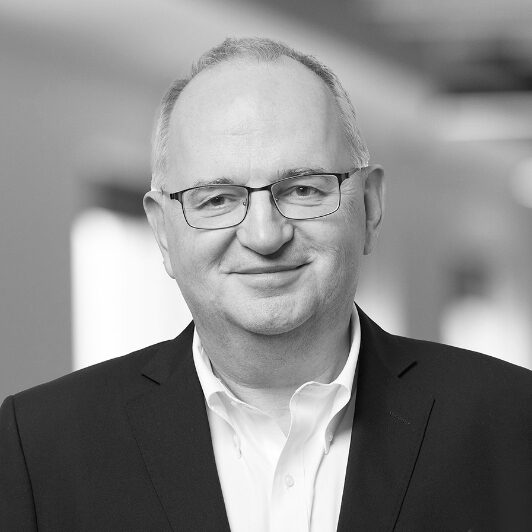
Jean-Marie Cuillerot
MD
Chief Medical Officer
Dr Jean-Marie Cuillerot, M.D., is Chief Medical Officer at Kainova Therapeutics. Based in Boston, he oversees clinical strategy, translational development, and medical affairs to advance the company’s pipeline of GPCR-targeting therapies with highly differentiated profiles. With a career spanning both biotechnology and pharmaceutical companies, Dr Cuillerot brings extensive expertise and a proven track record in leading innovative therapies through successful clinical development and regulatory approval, driving meaningful impact for patients and value-creating milestones for organizations.
Before joining Kainova Therapeutics, Dr Cuillerot served as CMO at Acrivon Therapeutics, following CMO roles at Dragonfly Therapeutics, where he built and led the clinical team advancing multiple first-in-class assets into the clinic, and at Agenus, where he oversaw the development of five investigational therapies.
At EMD Serono (Merck Serono), Dr Cuillerot held senior leadership roles in immuno-oncology including Global Head of Clinical Development and Vice President of Clinical Immunotherapy / Immuno-Oncology. He led the development of avelumab from pre-IND through global submissions in record time, an achievement recognized with the prestigious Merck CEO Award.
Earlier in his career, at Bristol-Myers Squibb, Dr Cuillerot was medical lead for the lifecycle management of ipilimumab, the first approved immune checkpoint inhibitor for cancer. He designed and led pivotal Phase II and III trials across multiple indications and supported regulatory filings in both the United States and Europe. His experience also includes roles at Novartis and Pierre-Fabre, as well as academic appointment at Strasbourg University Hospitals.
Dr Cuillerot holds an M.D. from Strasbourg University in France.
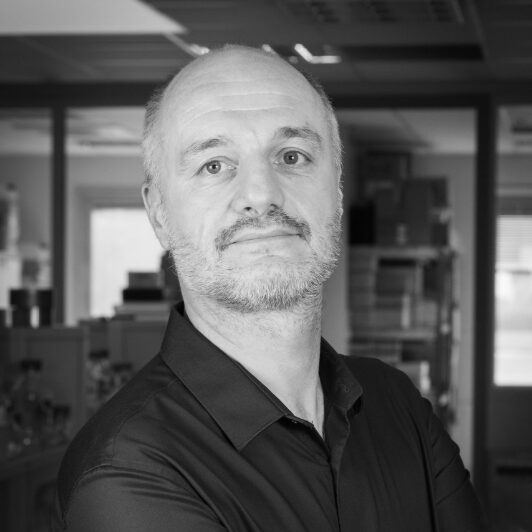
Stephan Schann
PhD
Chief Scientific Officer
Stephan Schann is Chief Scientific Officer at Kainova Therapeutics. He leads the company's scientific strategy across its proprietary programs and collaborations with pharma partners and oversees the intellectual property portfolio supporting each of the company’s assets. Stephan has been with the organization since its origins in 2008, holding successive leadership roles including Head of Research, Director of Research & Development and Vice-President of Research & Development.
With more than 25 years of experience in biomedical research, Stephan has focused his career on the development of novel therapeutics addressing areas of unmet medical need. His significant contributions to drug discovery and development have shaped the scientific foundation of the company and its evolution over time. Before joining the organization, Stephan established and led the Medicinal Chemistry Department at Faust Pharmaceuticals and served as a senior scientist at Evotec.
Stephan holds a PhD in Medicinal Chemistry from University of Strasbourg in France.
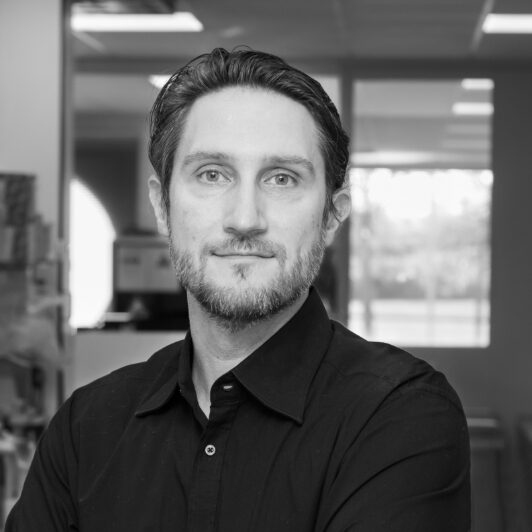
Stanislas Malmezat
PhD
Chief Financial Officer
Stanislas Malmezat is Chief Financial Officer of Kainova Therapeutics. He joined the company in 2018 to structure and develop the financial and legal department as well as to support the CEO in corporate strategic development.
Before joining the organization, Stanislas built extensive operational experience over more than 6 years as CFO at Rarecells Diagnostics and later at CleveXel Pharma. Earlier in his career, he gained solid expertise in corporate finance, first within a French venture capital fund specialized in biotechnology, then as consultant in the corporate restructuring & transaction services department at Ernst & Young, and subsequently at Duff & Phelps in Paris, where he worked on merger and acquisition operations. He began his career in the pharmaceutical industry as a product manager at Johnson & Johnson.
Stanislas holds a PhD in pharmacy and is a graduate from the ESSEC Business School in Paris, France.

Nathalie Lenne
PhD
Vice-President Strategic Portfolio Management
Nathalie Lenne is Vice-President of Strategic Portfolio Management at Kainova Therapeutics. She joined the organization in 2017 to oversee portfolio management, including non-clinical activities, as well as the search, evaluation and negotiation of external opportunities. Nathalie has more than 20 years of experience in project management and strategic cross-functional coordination, working with experts across research, CMC, clinical development, regulatory affairs. In her role, she ensures coherent program progression across therapeutic areas, particularly in immuno-oncology and inflammation.
Before joining the organization, she was responsible for business development in the life sciences department of the regional tech transfer accelerator SATT Conectus Alsace. From 2006 to 2012, Nathalie served as an R&D project leader and team supervisor at Polyplus-transfection. Earlier in her career, she held a clinical project leader position at Forenap pharma following a six-year postdoctoral period at the DKFZ in Heidelberg, Germany, the IRCAD institute and INSERM in Strasbourg, France.
Nathalie holds a PhD in molecular and cellular biology from the University of Strasbourg in France.
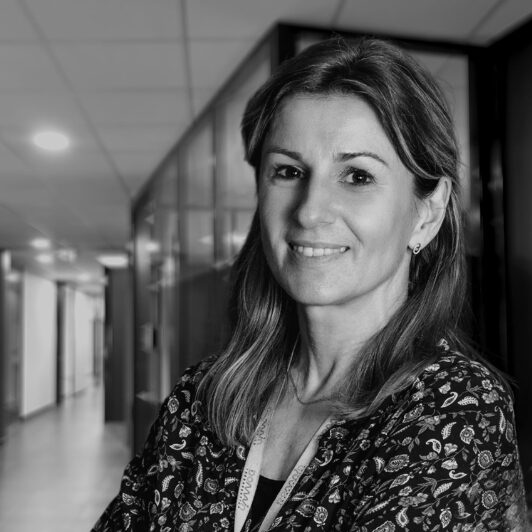
Marjorie Sidhoum
PhD
Vice-President Business Development & Corporate Communication
Marjorie Sidhoum is Vice-President Business Development & Corporate Communication at Kainova Therapeutics. She joined the organization in 2013 to strengthen and expand business activities and now oversees both business development including Alliance Management and transaction, and strategic corporate communications function. Marjorie has more than 15 years of experience in the entrepreneurship, business operations, and management, and has contributed to multiple partnership and transaction processes. She also serves as a board member of Find Therapeutics.
Before joining the organization, Marjorie was at the inception of incorporation of Almetis, a spin-off from the University of Strasbourg dedicated to the discovery of innovative small molecule in oncology. She co-founded the company and managed its corporate and business development activities.
Marjorie holds a PhD in molecular and cellular biology from University of Strasbourg, France, and is a graduated from Challenge Plus, a program of HEC Business School in Paris France.
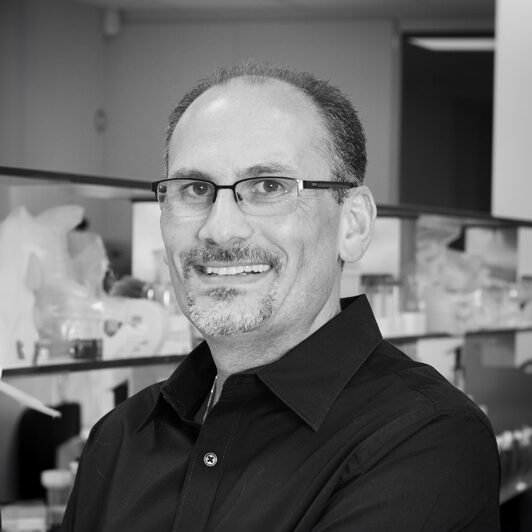
Laurent Sabbagh
PhD
Vice-President Research
Dr. Laurent Sabbagh is Vice-President Research at Kainova Therapeutics. Based in Montreal, he contributes to determine strategic orientations of the company’s research activities, with a focus on GPCR-related research in immuno-oncology and inflammation.
Before joining the organization, Laurent led research projects in small-molecule drug discovery for inflammatory disorders and cancer at Paraza Pharma Inc. in Montreal. Earlier he worked at Vertex Pharmaceuticals (Canada), where he contributed to biomarker discovery in inflammatory bowel disease and small-molecule discovery for polycystic kidney disease.
Prior to his industry roles, Laurent was an assistant professor at the University of Montreal, where his research examined the role of TNF receptors in immunological memory, inflammation, and hematological malignancies. He previously completed postdoctoral fellowships at the Ontario Cancer Institute and the University of Toronto.
Laurent holds a Ph.D. in immunology from McGill University Montreal Canada.
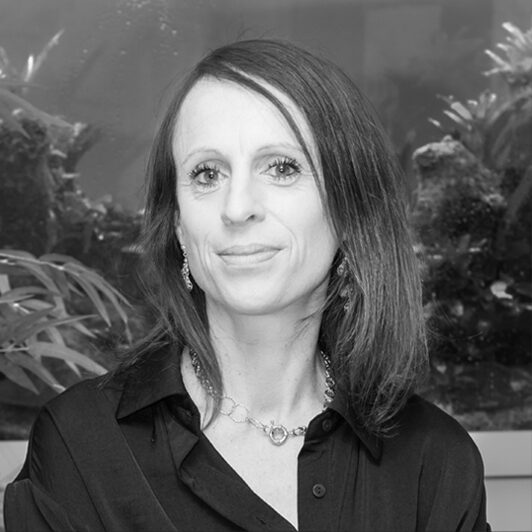
Aurélie Maisner
Director of Human Resources
Aurélie Maisner is Director of Human Resources at Kainova Therapeutics. She oversees the company’s human resources function and leads HR operations across the organization and contributes to the evolution of internal processes.
Aurelie has been part of the company since 2008, taking on roles of increasing responsibility in administration and human resources. Before joining the organization, Aurélie held similar responsibilities at Faust Pharmaceuticals, where she began her career in the sector. Earlier in her professional path, she gained administrative experience in various organizations.
Aurélie holds a Master's degree in human resources from the Management School of Strasbourg, France.
Board of Directors

Laurence Rulleau PhD
Chairwoman of the Board,
Managing Partner
CTI Life Sciences Fund
Managing Partner
CTI Life Sciences Fund
Laurence Rulleau
PhD
Chairwoman of the Board,
Managing Partner
CTI Life Sciences Fund
Managing Partner
CTI Life Sciences Fund
Dr. Laurence Terrisse Rulleau is Chairwoman of the Board of Directors at Kainova Therapeutics and a managing partner at CTI Life Sciences Fund, where she has been involved in the fund’s investments since joining in 2014. CTI Life Sciences Fund is a Montreal-based venture capital fund investing in Canada, the United States, and Europe.
Before joining CTI, Dr Rulleau worked more than 10 years as a life sciences analyst covering the Canadian sector, with involvement in mergers and acquisitions as well as initial public offerings (IPOs). She previously served as CEO of HLA-G Technologies, a biotechnology start-up based in France, and later as Vice-President Business Development at Univalor, the technology transfer office of the Université de Montreal and its affiliated schools.
Dr. Rulleau holds a master’s degree in biology from the Université du Québec in Montreal (UQAM) and a Ph.D. from the Université de Montréal completed at Montreal Clinical Research Institute.
Sean A. MacDonald
Chief Executive Officer
Kainova Therapeutics
Kainova Therapeutics
Sean A. MacDonald
Chief Executive Officer
Kainova Therapeutics
Kainova Therapeutics
Sean A. MacDonald is the Chief Executive Officer at Kainova Therapeutics. He leads the company’s strategy, corporate development, and financing, leveraging more than 20 years of experience in the field to guide the expansion of the company’s portfolio of assets in immuno-oncology and inflammation.
Sean has a strong international track record of building biotech companies, with deep expertise across strategy, fundraising, licencing and M&A. He has successfully led multiple transactions that have accelerated growth and unlocked long-term value. He is also a Board Director at Edesa Biotech. His past roles include several executive positions in the pharmaceutical industry, such as Chief Business Officer of iOnctura, Head of Business Development for Cosmo Pharmaceuticals, President and Chief Executive Officer of Corbin Therapeutics Inc, and Vice President of Corporate and Business development at Pharmascience Inc.
Sean holds a Bachelor of Science in Molecular Biology and an MBA from the University of Ottawa, Canada.
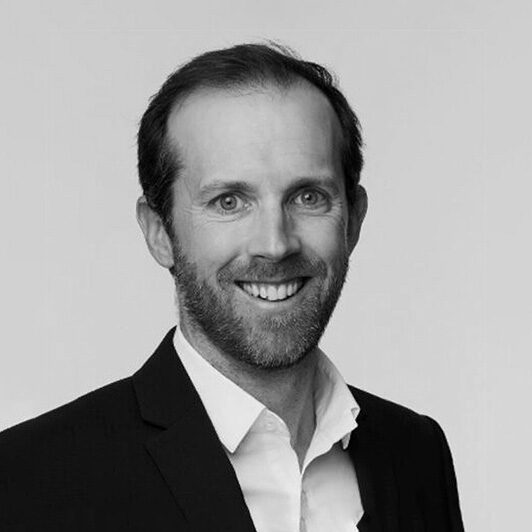
Louis-Etienne Fortier CPA
Senior Director, Life Science Investments, Investissement Québec
Louis-Etienne Fortier
CPA
Senior Director, Life Science Investments, Investissement Québec
Louis-Étienne Fortier, CPA, is a member of the Board of Directors at Kainova Therapeutics. He has nearly 20 years of experience in finance, including more than a decade in private equity, growth investing, and financial advisory. His background spans investment leadership, transaction sourcing and capital deployment across the life sciences sector.
Mr. Fortier also currently serves as Managing Director, Investment, Life sciences at Investissement Québec, the province's leading economic development agency and investment corporation. In this role, he is responsible for a venture capital and growth equity portfolio that includes biotechnology, medtech, specialty pharmaceuticals, and life sciences service organizations.
Before joining Investissement Québec, Mr. Fortier held senior roles in private equity, corporate finance, and investment management. Earlier in his career, he worked in commercial banking and financial advisory, building a foundation in financial analysis and transactional support across diverse industries.
An active participant in the biotech community, Mr. Fortier holds multiple board and advisory positions, where he provides strategic guidance, operational expertise, and disciplined portfolio stewardship.
Mr. Fortier holds a Bachelor of Business Administration in Accounting from the Université de Sherbrooke. He is a Chartered Professional Accountant (CPA).
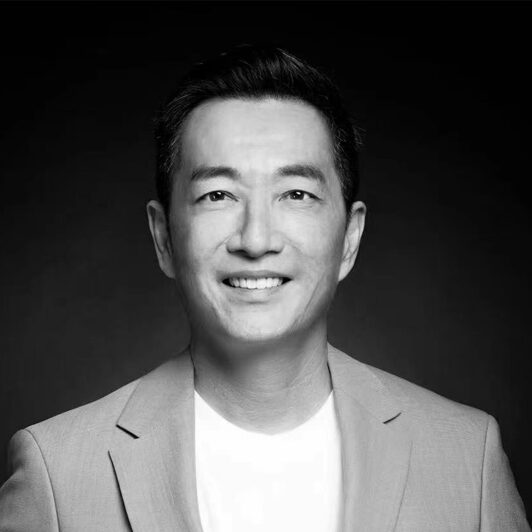
James Huang MBA
Managing Partner - Panacea Healthcare Venture Capital
James Huang
MBA
Managing Partner - Panacea Healthcare Venture Capital
James Huang is a member of the Board of Directors at Kainova Therapeutics. He is Founding Managing Partner of Panacea Healthcare Venture Capital and Managing Partner of Kleiner Perkins China. He has more than thirty years of experience in the life sciences and investment sector, spanning venture capital, company creation, and senior leadership roles.
Mr. Huang was previously a Managing Partner at Vivo Ventures. Before joining Vivo in 2007, he served as President of Anesiva, a biopharmaceutical company focused on pain-management treatments. Earlier in his career, he held senior positions in business development, marketing, and R&D at several global healthcare companies, including Tularik Inc. (acquired by Amgen), GlaxoSmithKline LLC, Bristol-Meyers Squibb, and ALZA Corp. (acquired by Johnson & Johnson).
Mr. Huang holds an M.B.A. from the Stanford Graduate School of Business and a B.S. degree in chemical engineering from the University of California, Berkeley.

Rosemary Mazanet MD, PhD
Venture Partner
Panacea Venture
Panacea Venture
Rosemary Mazanet
MD, PhD
Venture Partner
Panacea Venture
Panacea Venture
Rosemary Mazanet, M.D., Ph.D., is a member of the Board of Directors at Kainova Therapeutics. She brings more than two decades of experience across drug and clinical development, public equity investing, and strategic advisory roles, contributing to the company’s governance and portfolio oversight.
Dr. Mazanet is also a Venture Partner at Panacea Venture, a global life sciences investment firm focused on biopharmaceutical companies. Her work spans oncology, rare diseases, and novel therapeutic platforms, built on experience in clinical, industry, and investment settings.
Earlier in her career, Dr. Mazanet trained in Internal Medicine and Oncology at Brigham and Women’s Hospital and the Dana-Farber Cancer Institute before moving into industry, where she led clinical research at Amgen and directed development programs. She later moved into public equity as a partner at Oracle Partners, Apelles Investment Management, and Argenis Capital Advisors in New York, focusing on biotechnology and specialty pharma investments.
Dr. Mazanet also serves on the boards of several public, private, and commercial life sciences companies, bringing experience in governance, clinical-stage evaluation and portfolio management. She is an Emeritus Trustee at the University of Pennsylvania Health System and Chair of the External Advisory Board for the Wharton Leonard Davis Institute.
She holds an M.D. and a Ph.D. from the University of Pennsylvania.
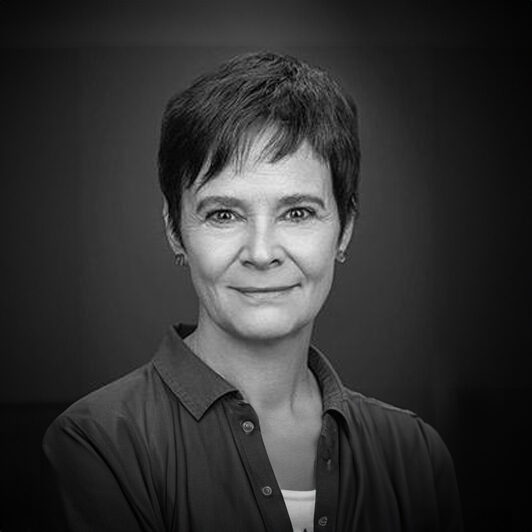
Sylvie Ryckebusch PhD
Independant Director
Sylvie Ryckebusch
PhD
Independant Director
Sylvie Ryckebusch is an independent member of the Board of Directors at Kainova Therapeutics. She brings more than twenty years of experience in business development, alliance management, and corporate strategy.
Dr Ryckebusch currently serves as Chief Business Officer of BioInvent International and is a founder of Octave Biotech S.A. based in Geneva, Switzerland, a firm supporting life sciences companies in business development strategy and execution. Sylvie is also an Adjunct Professor at the Grenoble School of Management.
Earlier in her career, Dr Ryckebusch held leadership roles at Serono, Merck KGaA, where she was involved in multiple product and technology transactions and the creation of several startup ventures. Before entering the pharmaceutical industry, she spent four years with McKinsey & Company.
Sylvie Ryckebusch holds a PhD in neurobiology from the California Institute of Technology and completed a postdoctoral fellowship at Harvard Business School.
Scientific Advisory Board
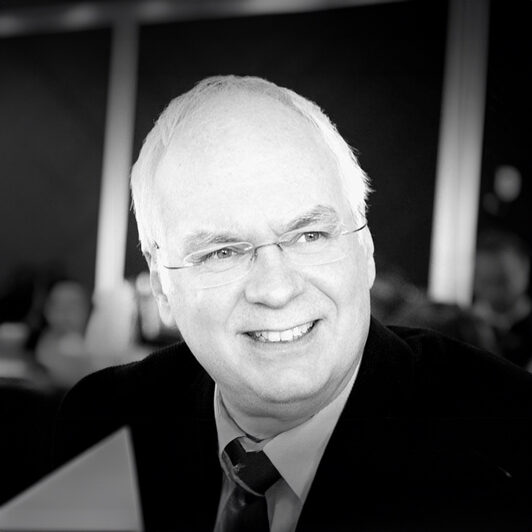
Prof. Michel Bouvier PhD
SAB Chairman, Professor of Biochemistry and Molecular Medicine, Université de Montréal, Principal Investigator, Molecular Pharmacology Research Unit, IRIC
Prof. Michel Bouvier
PhD
SAB Chairman, Professor of Biochemistry and Molecular Medicine, Université de Montréal, Principal Investigator, Molecular Pharmacology Research Unit, IRIC
Prof. Michel Bouvier, PhD, is the Chairman of Kainova Therapeutics’ Scientific Advisory Board. He is a recognized KOL in G protein-coupled receptors (GPCRs), a major class of cell surface receptors, central to numerous physiological processes. His scientific expertise relates to GPCR mechanisms relevant to different therapeutic areas, including immuno-oncology and inflammation.
Michel Bouvier is Professor of Biochemistry and Molecular medicine at the Faculty of Medicine of Université de Montréal and Principal Investigator at the Molecular Pharmacology Research Unit of the Institute for Research in Immunology and Cancer (IRIC). Prof. Bouvier has been CEO of IRIC from 2014 to 2024. His research has contributed to several established concepts in GPCR biology, including inverse agonism, pharmacological chaperones for misfolded GPCRs, and ligand-biased signaling.
He also pioneered the development of bioluminescence resonance energy transfer (BRET)-based approaches which are widely used to study receptor interactions and functional. These concepts are now integrated in Kainova Therapeutics’ technological platform bioSens-All®.
Earlier in his career, Prof. Bouvier completed a post-doctoral fellowship at Duke University under Nobel laureate Robert Lefkowitz, focusing of GPCR regulation. His scientific contributions have been recognized with distinctions such as the Killam Prize in Health Sciences, the Wilder-Penfield Prize, the Julius Axelrod Pharmacology Prize of the American Society for Pharmacology and Experimental Therapeutics, the Senior Investigator Award from the Canadian Society for Molecular Biosciences and the Merck-Frosst award from the Canadian Society of Biochemistry and Cellular & Molecular Biology.
Prof. Bouvier is a fellow of the Canadian Academy of Health Sciences and of the Royal Society of Canada as well as a Knight of the National Order of Quebec. He holds a Ph.D. in Neurological Sciences from the Université de Montréal.

Prof. John Stagg PhD
Director, Rosalind and Morris Goodman Cancer Institute, Professor, Department of Microbiology and Immunology, School of Biomedical Sciences, McGill University
Prof. John Stagg
PhD
Director, Rosalind and Morris Goodman Cancer Institute, Professor, Department of Microbiology and Immunology, School of Biomedical Sciences, McGill University
Prof. John Stagg, PhD, is a member of Kainova Therapeutics’ Scientific Advisory Board. He is a recognized expert in immunology, with scientific work focused on mechanisms that shape immune responses in cancer.
Prof. Stagg is Director of the Rosalind and Morris Goodman Cancer Institute and Professor in the Department of Microbiology and Immunology at McGill University. His research has explored immune-related pathways in cancer, including mechanisms associated with tumor progression, metastatic behavior, and responses to immunotherapy. His work included major discovery on PAR2 GPCR as well as CD73, an enzyme playing a key role in Adenosine-mediated immunoresistance via A2a/A2b GPCRs.
His expertise also extends to the characterization of signaling pathways and cellular responses that influence therapeutic sensitivity. These scientific areas relate to GPCR-mediated mechanisms explored at Kainova Therapeutics.
He has received distinctions such as the Canadian Institutes of Health Research (CIHR), New Investigator award and the Jean-Guy Sabourin Research Chair in Pharmacology from Faculty of Pharmacy at the Université de Montréal. As a co-founding director of the Marathon of Hope Cancer Centres Network of the Terry Fox Research Institute, Prof. Stagg contributed to its establishment.
He was co-founder and Scientific Advisor at Surface Oncology. Prof. Stagg also lends his expertise to Coherus Oncology and Ability Biotherapeutics as a member of their respective scientific advisoy boards. He is also a member of the Board of Directors of BioCanRx, Canada’s immunotherapy network, and of the Ontario Institute for Cancer Research. Prof. Stagg holds a Ph.D. from McGill University.
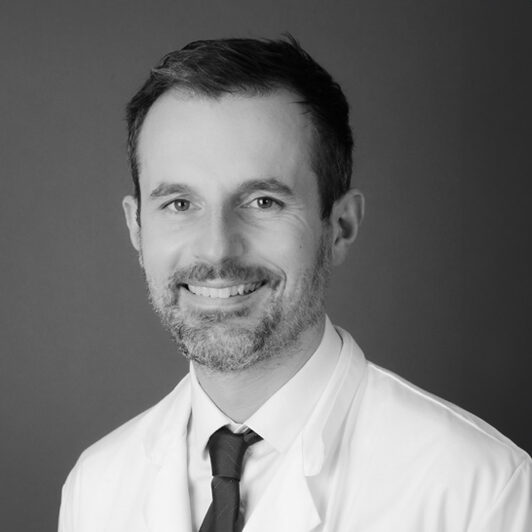
Prof. Antoine Italiano MD PhD
Head of the Department of Medicine at Institut Bergonié, Head of Precision Medicine at Gustave Roussy, Full Professor of Medicine, Université de Bordeaux
Prof. Antoine Italiano
MD PhD
Head of the Department of Medicine at Institut Bergonié, Head of Precision Medicine at Gustave Roussy, Full Professor of Medicine, Université de Bordeaux
Prof. Antoine Italiano, MD, PhD, is member of Kainova Therapeutics' Scientific Advisory Board. He is a medical oncologist with expertise in early clinical development in immuno-oncology, translational research and targeted therapies.
Prof. Italiano holds several academic and clinical leadership roles, including the Head of Early Phase Clinical Trials at Institut Bergonié, where he oversees a multidisciplinary team conducting Phase I and basket studies across solid tumors and hematological malignancies. He is also heading the Precision Medicine program at Gustave Roussy, Paris.
His scientific work spans early clinical development trials and translational oncology. As Principal Investigator, he has led more than 50 Phase I trials and numerous Phase II and III trials. His research has examined mechanisms associated with sensitivity and resistance to immunotherapies and targeted therapies, as well as biomarker studies conducted in clinical research settings.
Prof. Italiano is also involved in clinical research on rare tumors, particularly sarcomas. He collaborates with teams engaged in precision medicine and immuno-oncology projects, including the CONDOR project, which focuses on sarcoma research. He also coordinates sarcoma research within the Multipli study, part of the France Genomic Medicine 2025 plan, which supports large-scale genomic testing programs in Europe.
His academic activities include research in cancer cell biology and precision oncology. As Professor of Medicine and Medical Oncology, he leads the Sarcotarget team within the Bordeaux Institute of Oncology (BRIC), an Inserm-endorsed program focused on cancers with poor prognosis and rare malignancies.
Prof. Italiano is a member of professional organizations such as ASCO, ESMO and AACR. He holds a PhD in Molecular Aspects of Cell Biology and completed a post-doctoral fellowship in Dr. Cristina Antonescu’s laboratory at the Memorial Sloan Kettering Cancer Center in New York.
Investors










Newsroom
Recent News
April 9, 2026
Press Releases
March 26, 2026
In the Media
pharmaphorum – BIO‑Europe Spring 2026: In conversation with Marjorie Sidhoum, Vice President of Business Development and Corporate Communications at Kainova Therapeutics
Feature
12/01/2026
Kainova Therapeutics
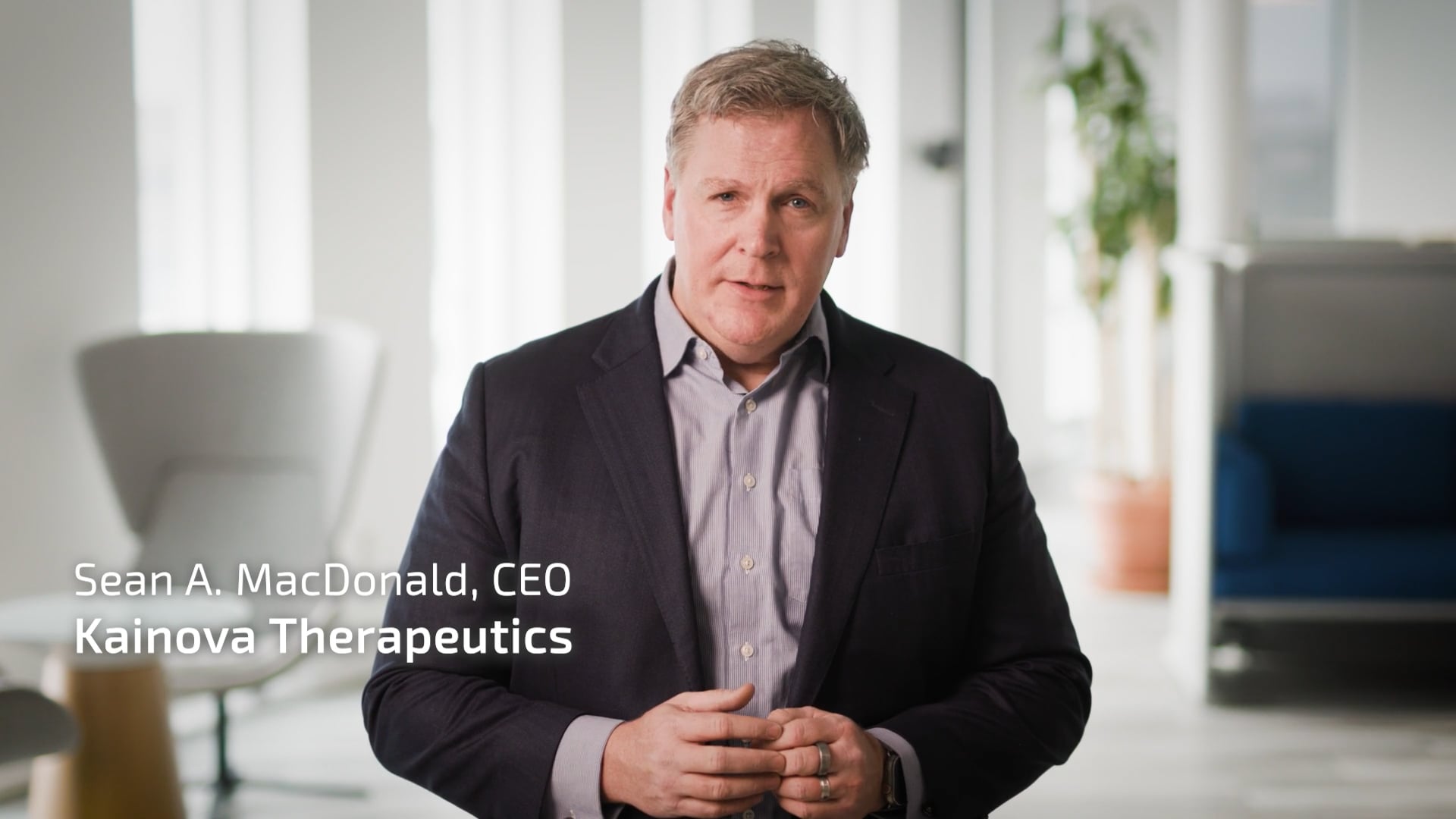
Introduction
Our Chief Executive Officer, Sean A. MacDonald, shares insights about our company and purpose.